

The Indispensable Exterior Moulding of Modern Architecture: Thermal Insulation and Aesthetics Combined
Exterior moulding (Söve) is one of the most popular types of cladding used in exterior architecture to add aesthetic and visual depth to buildings. However, the function of moulding is not limited to decoration; thanks to its polystyrene (styrofoam) based structure, it also provides effective thermal insulation. This dual benefit (both visual appeal and insulation) has made moulding a highly preferred building component.
The Secret to Moulding Manufacturing: The Perfect Harmony of Styrofoam and Silica Sand
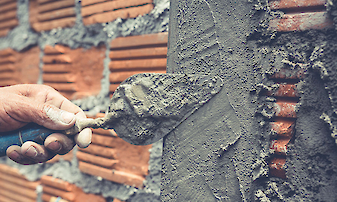
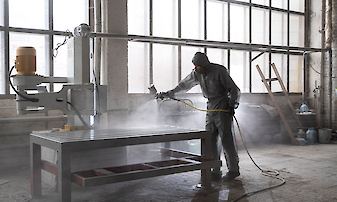
The foundation of moulding manufacturing is lightweight styrofoam foam (EPS/XPS) with high insulation value. However, this foam core is extremely sensitive to external factors (sun, rain, impact). This is where the special coating mortar comes in, which protects the moulding, hardens it, and gives it its final shape.
The success of this coating mortar depends on the quality and compatibility of its main filler material, silica sand:
- Excellent Adhesion: Silica sand is the most preferred material because it adheres with perfect chemical and physical compatibility to the styrofoam foam surface used in moulding manufacturing. It does not melt or damage the styrofoam and forms a flexible whole with it.
- Impact and Weather Resistance: Washed silica sand with the correct grain size gives the moulding mortar extraordinary hardness and durability. This prevents the moulding from cracking, crumbling, and deteriorating due in weather conditions on the exterior facade.
- Smooth Surface: Fine-grained silica sand ensures the moulding surface is smooth, aesthetic, and ready for painting.
In short, while styrofoam foam gives the moulding its insulation and lightweight properties; silica sand is the main building block of the coating mortar that gives it resistance to external factors, hardness, and its aesthetic form.