

The Sandbox: More Than Fun, An Educational Area for Child Development
Although a sandbox may seem like a simple distraction for parents and a play area for children, it actually has a much deeper meaning from the perspective of developmental psychology and pedagogy. Playing with sand is a versatile "sensory play" activity critical for a child's physical and mental development.
The texture, weight, and moldable nature of sand nurture children's imaginations while also strengthening them physically without them even realizing it.
The Foundation of Physical Development: Motor Skills and Muscle Strengthening
Sand games are a fun form of exercise for children. Sand itself is physically more challenging than other play materials like water or balls.
The simple actions children perform while playing in the sandbox are actually complex developmental steps:
- Gross Motor Skills: Carrying a bucket full of sand, digging a large hole, or leveling the sand with a rake works the large muscle groups such as the arms, legs, and torso.
- Fine Motor Skills: Precisely filling a shovel, pouring sand from one container to another, building tunnels, or making shapes using molds directly develops hand-eye coordination and the small muscles in the fingers (fine motor skills).
This fun exercise enhances children's muscle control, balance, and problem-solving skills.
Safety and Health First: "Special Play Sand"
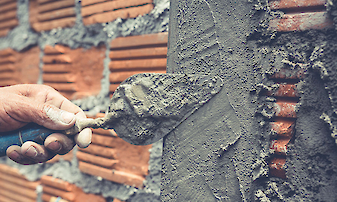
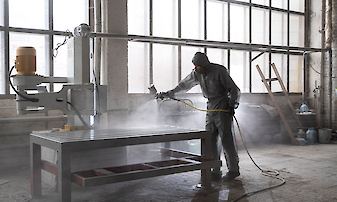
However, for a sandbox to safely offer its benefits, the quality of the sand used is vital. Construction or beach sand is not suitable or safe for children.
Play sand is produced specifically for this purpose and meets critical standards:
- Absolutely Dust-Free: Its most important feature is that it contains no dust. It undergoes special washing and sieving processes to be completely freed of fine particles (silica dust) that could harm children's respiratory tracts or cause allergies or asthma.
- Hygienic: It is purified of foreign materials, clay, and bacteria.
- Harmless Structure: It consists of rounded grains without sharp edges that do not irritate children's sensitive skin.
In short, a sandbox filled with correctly chosen, dust-free, and safe play sand is an invaluable educational and recreational area that supports both the physical and mental development of children.